UAV Surveillance Camera
Wiki Article
Overview
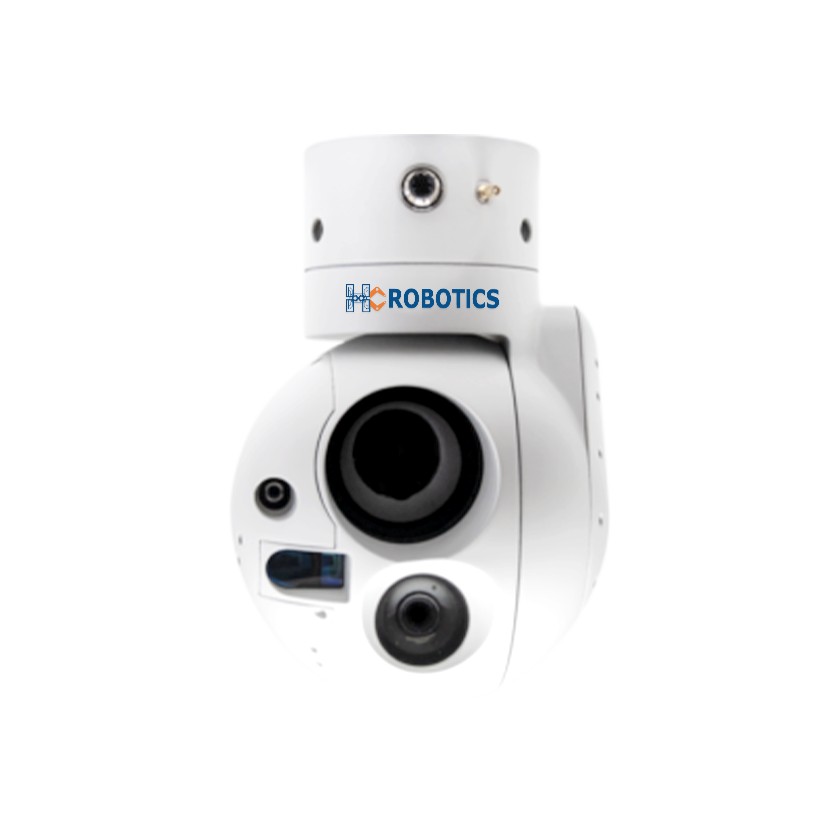
A UAV Surveillance Camera is a specialized imaging system mounted on an Unmanned Aerial Vehicle (UAV), commonly known as a drone, to capture real-time video, images, and intelligence data for monitoring, security, inspection, and reconnaissance purposes. These cameras play a critical role in enhancing situational awareness by providing aerial perspectives that are difficult or impossible to obtain through conventional ground-based surveillance systems.
Modern UAV surveillance cameras integrate advanced technologies such as high-definition imaging, optical zoom, thermal imaging, infrared vision, artificial intelligence (AI), object tracking, and real-time data transmission, making them valuable tools across defense, public safety, industrial, and commercial sectors.
At HC Robotics, UAV surveillance solutions are designed to deliver reliable aerial intelligence for a wide range of mission-critical applications.
History
The use of aerial surveillance dates back to the early 20th century when aircraft were first employed for reconnaissance missions. With advancements in unmanned aviation technology, UAVs emerged as a cost-effective and flexible alternative to manned aircraft.
The integration of lightweight digital cameras, wireless communication systems, and stabilized gimbal platforms significantly enhanced UAV surveillance capabilities. Today, drones equipped with advanced surveillance cameras are widely used for security monitoring, infrastructure inspection, disaster response, and environmental assessment.
Components of a UAV Surveillance Camera System
A typical UAV surveillance camera system consists of the following components:
Camera Sensor
The imaging sensor captures visual or thermal information and converts it into digital data. Common sensor types include:
- RGB (Visible Light) Cameras
- Infrared (IR) Cameras
- Thermal Imaging Cameras
- Multispectral Cameras
- Hyperspectral Cameras
Gimbal Stabilization System
A gimbal ensures stable image capture by compensating for UAV movement, vibration, and wind disturbances.
Optical Zoom Lens
High-powered zoom lenses allow operators to monitor distant objects without compromising image quality.
Video Transmission System
Wireless communication systems transmit live video feeds from the UAV to ground control stations.
AI-Based Processing Module
Modern systems use AI algorithms for:
- Object detection
- Target tracking
- Intrusion monitoring
- Vehicle identification
- Crowd analysis
Types of UAV Surveillance Cameras
Electro-Optical (EO) Cameras
EO cameras capture high-resolution color images and videos during daylight operations.
Infrared (IR) Cameras
Infrared cameras provide enhanced visibility in low-light or nighttime environments.
Thermal Imaging Cameras
Thermal cameras detect heat signatures, enabling surveillance in darkness, smoke, fog, and challenging weather conditions.
Dual-Sensor Cameras
These systems combine visible-light and thermal imaging technologies for comprehensive monitoring capabilities.
Multispectral Cameras
Multispectral sensors capture data across multiple wavelengths and are commonly used in agriculture and environmental monitoring.
Key Features
Modern UAV surveillance cameras offer:
- High-definition and 4K video recording
- Long-range optical zoom
- Thermal imaging capabilities
- Infrared night vision
- Real-time video transmission
- AI-powered object tracking
- Geographic positioning integration
- Weather-resistant operation
- Automated target recognition
- Image stabilization technology
Applications
Security and Surveillance
UAV surveillance cameras are widely used for:
- Border security
- Perimeter monitoring
- Critical infrastructure protection
- Public event security
- Law enforcement operations
Defense and Reconnaissance
Military organizations utilize UAV surveillance systems for:
- Intelligence gathering
- Battlefield monitoring
- Threat detection
- Tactical reconnaissance
Industrial Inspection
Industries employ UAV surveillance cameras to inspect:
- Power transmission lines
- Oil and gas pipelines
- Manufacturing facilities
- Solar power plants
- Wind turbines
Search and Rescue
Thermal and visual cameras assist emergency responders in locating missing persons and assessing disaster-affected regions.
Agriculture
Drone-mounted cameras help monitor crop health, irrigation efficiency, and field conditions.
Environmental Monitoring
Applications include wildlife observation, forest management, pollution monitoring, and conservation efforts.
Advantages
Enhanced Coverage
UAVs provide aerial viewpoints that significantly expand surveillance coverage areas.
Cost Efficiency
Drone-based monitoring reduces operational costs compared to manned aircraft surveillance.
Rapid Deployment
UAV systems can be deployed quickly in emergency situations or time-sensitive operations.
Improved Safety
Remote monitoring minimizes the need for personnel to enter hazardous environments.
Real-Time Intelligence
Operators receive immediate visual information for faster decision-making.
Challenges
Despite their advantages, UAV surveillance cameras face several challenges:
- Limited flight endurance
- Weather-related operational constraints
- Data security concerns
- Regulatory compliance requirements
- Communication range limitations
- Privacy considerations
Continuous technological advancements are helping address these limitations through improved batteries, AI integration, and enhanced communication systems.
Future Developments
Emerging trends in UAV surveillance camera technology include:
- AI-driven autonomous surveillance
- Edge computing for onboard analytics
- Advanced thermal imaging systems
- Swarm drone surveillance networks
- 5G-enabled real-time communication
- Enhanced object recognition algorithms
- Longer flight durations
- Cloud-based intelligence platforms
These innovations are expected to significantly improve surveillance efficiency, accuracy, and operational flexibility.
HC Robotics UAV Surveillance Solutions
HC Robotics provides advanced UAV surveillance camera systems engineered for professional applications across security, industrial, defense, and infrastructure sectors.
Key Offerings
- High-resolution UAV camera payloads
- Thermal and infrared surveillance systems
- AI-powered aerial monitoring solutions
- Long-range reconnaissance platforms
- Custom UAV integration services
- Real-time video intelligence systems
HC Robotics focuses on delivering reliable, scalable, and mission-ready aerial surveillance technologies that help organizations improve security, operational efficiency, and situational awareness.
Conclusion
UAV Surveillance Cameras have transformed modern monitoring and intelligence-gathering operations by combining aerial mobility with advanced imaging technologies. Their ability to provide real-time, high-resolution, and thermal surveillance makes them indispensable across defense, public safety, industrial inspection, agriculture, and environmental monitoring.
As AI, communication networks, and sensor technologies continue to evolve, UAV surveillance systems will play an increasingly important role in shaping the future of aerial intelligence and security solutions.
Report this wiki page